Common Causes of Damage to Concrete Flatwork
People seeking damage to concrete flatwork repair often want to fix cracks, spalling, or uneven surfaces, and local contractors can provide expert solutions to restore your flatwork.
Understanding the common causes of damage to concrete flatwork is essential for property owners looking to maintain the integrity and safety of their outdoor surfaces. Factors such as exposure to harsh weather conditions, improper installation, and heavy loads can all contribute to cracks, spalling, and uneven surfaces over time. Recognizing these issues early can help prevent further deterioration and costly repairs down the line. Local contractors who specialize in concrete flatwork repair are equipped to assess the specific causes of damage and recommend effective solutions to restore and protect these surfaces.
For property owners in the area, exploring the reasons behind concrete damage is a practical step toward preserving the value and functionality of outdoor spaces. Whether dealing with cracks from freeze-thaw cycles or surface deterioration due to poor drainage, understanding these common issues can guide decisions about repairs and maintenance. Connecting with experienced service providers ensures that the right repair methods are applied, helping to extend the lifespan of concrete flatwork and keep outdoor areas safe and attractive.
- Concrete flatwork that has experienced cracking or spalling may require repair by local contractors experienced in addressing common causes of damage to concrete flatwork. Uneven settling or shifting of the ground beneath the slab can lead to surface cracks, which local pros can repair to restore stability. Damage caused by exposure to freeze-thaw cycles often results in surface deterioration, and service providers can perform patching and sealing to prevent further issues. Heavy loads or improper weight distribution can cause surface deformation, prompting local contractors to evaluate and reinforce the flatwork as needed. Water infiltration resulting from poor drainage can weaken concrete, and local pros can implement repairs to address surface damage and improve drainage solutions.
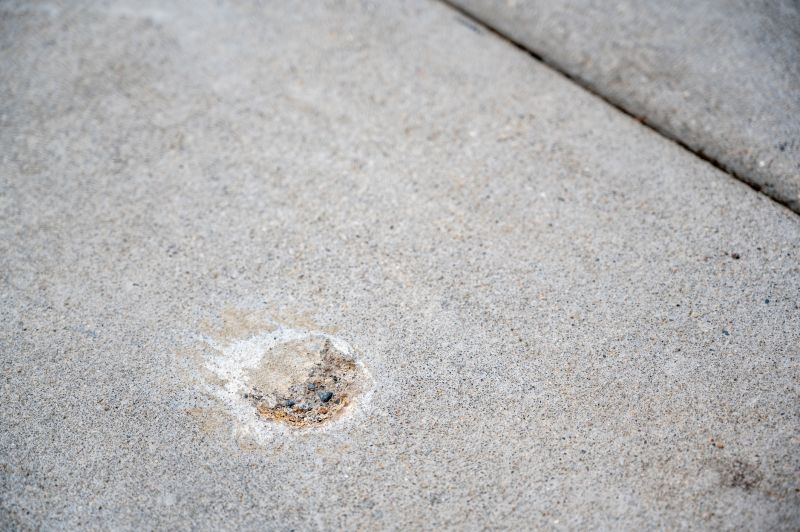
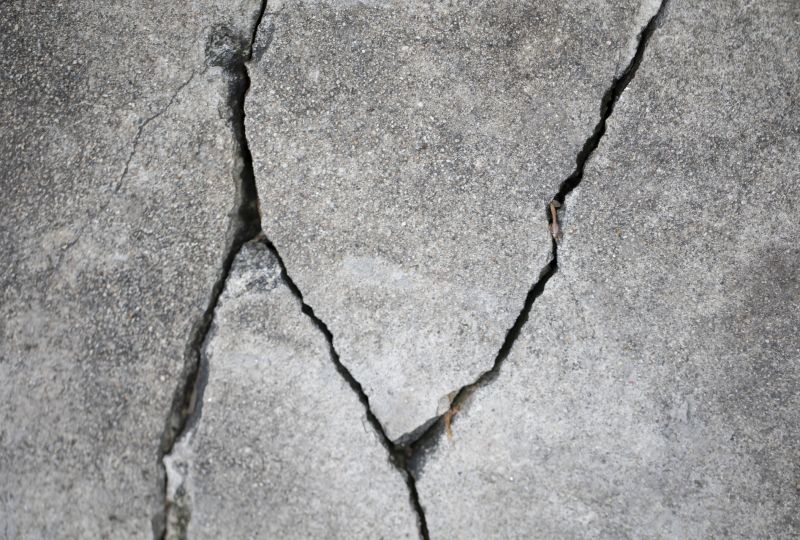
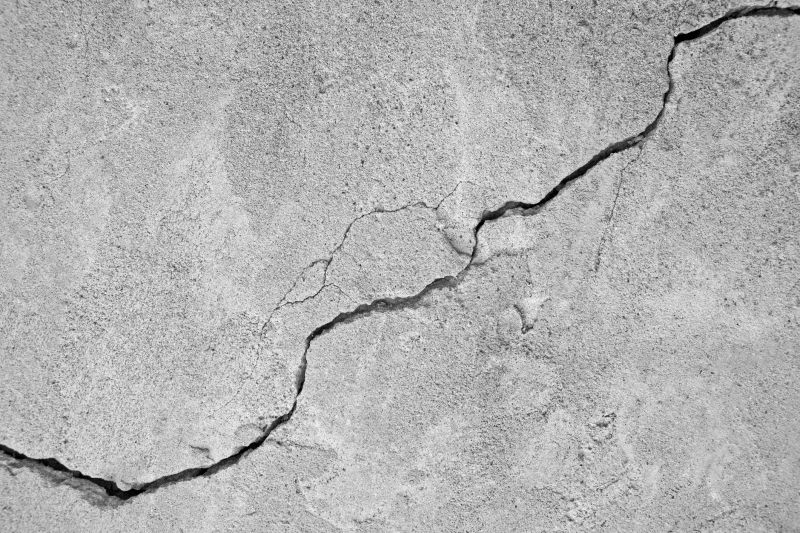
Understanding the common causes of damage to concrete flatwork is essential for homeowners looking to maintain the safety and appearance of their property. Concrete flatwork includes features like driveways, walkways, patios, and garage floors, which are exposed to various stresses over time. When these surfaces begin to show signs of cracking, spalling, or unevenness, it often points to underlying issues that need attention. Recognizing the typical reasons behind such damage can help property owners plan repairs more effectively and prevent further deterioration. Local contractors who specialize in concrete flatwork repair are equipped to diagnose these causes accurately and recommend appropriate solutions.
Many problems that affect concrete flatwork stem from environmental factors and improper installation. For example, exposure to freeze-thaw cycles can cause expansion and contraction in the concrete, leading to cracking and surface scaling. Excess moisture infiltration, especially if drainage is poor, can weaken the concrete over time and promote the growth of cracks. Additionally, the use of de-icing salts during winter can accelerate surface deterioration. Heavy loads from vehicles or equipment can also cause stress and eventual cracking, particularly if the concrete was not designed to handle such weight. These issues highlight the importance of proper site preparation and material choices, which local service providers can advise on during repairs or replacements.
Another common cause of damage is root intrusion from nearby trees and shrubs. As roots grow beneath or around concrete flatwork, they can exert upward pressure, resulting in heaving or cracking of the surface. This type of damage is often visible as uneven patches or large cracks that disrupt the flatness of the surface. Soil movement due to erosion or settling can also contribute to instability, especially on properties with poor soil compaction or drainage issues. Recognizing these causes early can help homeowners address underlying problems before significant damage occurs. Local contractors experienced in flatwork repair can assess the site conditions and recommend solutions such as root removal, soil stabilization, or replacement of affected sections.
Finally, regular wear and tear from daily use can gradually compromise concrete flatwork, especially if maintenance is neglected. Spills, stains, and surface abrasions can weaken the top layer, making it more susceptible to cracking and chipping. Heavy foot traffic or equipment use can accelerate deterioration, particularly on older surfaces. Over time, small cracks can expand and lead to more extensive damage if not properly repaired. Engaging with local service providers who specialize in concrete flatwork repair ensures that these issues are addressed promptly and effectively. They can perform necessary repairs, such as crack filling or surface resurfacing, helping to extend the lifespan of the flatwork and maintain its functional and aesthetic qualities.
Patio and walkway construction - these projects require planning and skills similar to repairing damage to concrete flatwork, especially in addressing cracking and settling issues.
Garage floor installation - involves working with concrete surfaces that can suffer from many common causes of damage, making expertise in flatwork repair relevant.
Driveway paving services - local contractors often handle issues related to surface deterioration and structural cracks similar to those seen in damaged flatwork.
Foundation repair projects - these require understanding of concrete stability and common causes of damage that can also affect flat concrete surfaces.
Concrete resurfacing and overlay work - skills used here are closely related to fixing surface damage caused by cracks, spalling, or staining in flatwork.
Slab leveling and mudjacking - these techniques address uneven or sinking concrete, which is a common issue in flatwork damaged by soil movement or improper installation.
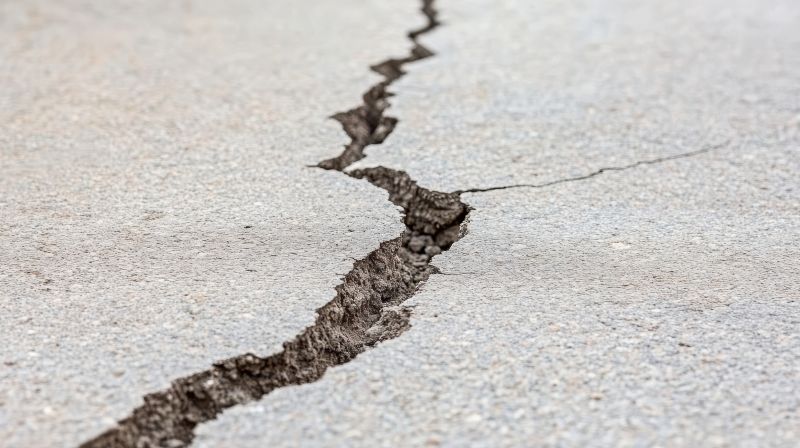
When comparing local contractors for repairing damage to concrete flatwork, it is important to consider their experience with similar projects. Homeowners should look for service providers who have a proven track record in addressing common causes of damage to concrete flatwork, such as cracking, spalling, or uneven settling. An experienced contractor will understand the nuances of different types of damage and be better equipped to recommend appropriate repair methods, ensuring the longevity and durability of the work performed.
Clear written expectations are essential when evaluating potential service providers. Homeowners should seek detailed proposals that outline the scope of work, materials to be used, and the steps involved in the repair process. This clarity helps prevent misunderstandings and ensures that both parties are aligned on the project’s goals. Reliable contractors will be transparent about what the repair entails and provide documentation that supports their recommendations, making it easier to compare options objectively.
Reputation and communication are key factors in choosing the right local contractor. Reputable service providers often have a history of satisfied customers and can provide references or testimonials that attest to their professionalism and quality of work. Good communication throughout the process-whether through timely responses, clear explanations, or updates-can significantly impact the overall experience. Homeowners should prioritize contractors who demonstrate responsiveness and a willingness to answer questions, as this often reflects their commitment to customer service and the successful completion of the repair.
Property owners often search for common causes of damage to concrete flatwork when they are planning practical projects around their homes and businesses. Local pros provide Damage to Concrete Flatwork Repair services for everyday jobs and straightforward project options.
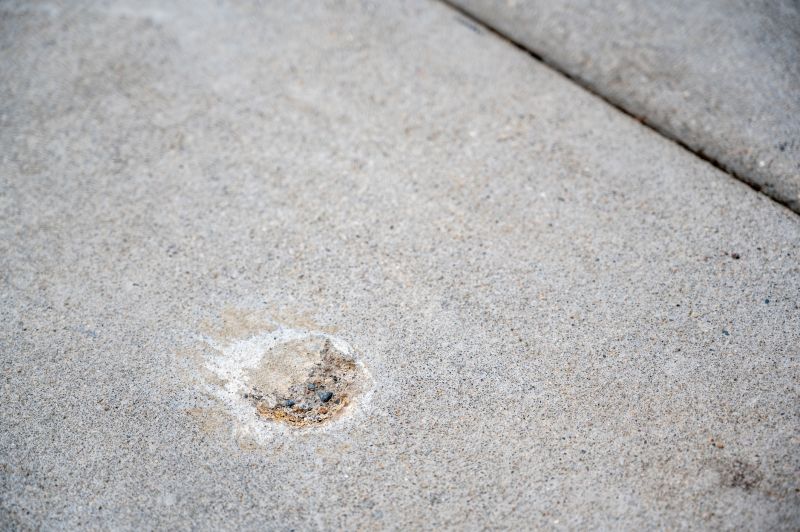
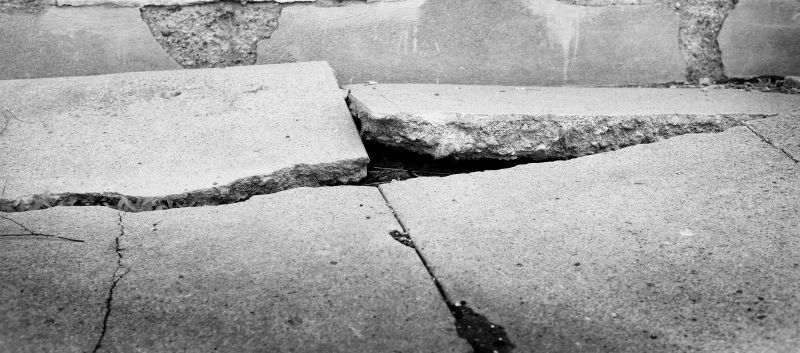
Concrete flatwork can sustain damage from a variety of everyday project situations that property owners often encounter. Heavy foot or vehicle traffic, especially when the surface isn’t designed to handle it, can cause cracks and uneven areas over time. Additionally, exposure to harsh weather conditions such as freezing and thawing cycles or heavy rain can lead to surface deterioration, cracking, and shifting. Poor initial installation, including inadequate base preparation or improper mixing, can also make concrete more vulnerable to early damage, prompting property owners to seek repair services to restore safety and appearance.
Many property owners in the area look into damage to concrete flatwork repair services when they notice issues like cracking, spalling, or sinking. These problems often result from natural wear and tear, but can also stem from accidental impacts or improper maintenance. Local contractors experienced in flatwork repairs can assess the damage, identify underlying causes, and provide solutions to help extend the lifespan of the concrete. Whether addressing minor cracks or more extensive surface problems, professional repair services are available to help restore the functionality and look of concrete flatwork.
What are common causes of damage to concrete flatwork? Common causes include freeze-thaw cycles, improper installation, and exposure to harsh weather conditions, which can lead to cracking and surface deterioration. Local contractors experienced in concrete repair can assess and address these issues effectively.
How does improper curing affect concrete flatwork? Inadequate curing can weaken the concrete, making it more susceptible to cracking and surface damage. Skilled service providers can ensure proper curing techniques to maintain the integrity of the flatwork.
Can heavy loads cause damage to concrete flatwork? Yes, excessive weight or repeated heavy traffic can lead to cracking, sinking, or surface spalling. Local repair specialists can reinforce or restore the flatwork to withstand such stresses.
What role does water play in damaging concrete flatwork? Water infiltration from leaks, poor drainage, or standing water can cause erosion, freeze-thaw damage, and surface cracking. Experienced contractors can improve drainage and repair damaged areas to prevent further issues.
How do environmental factors contribute to damage in concrete flatwork? Environmental factors like temperature fluctuations, moisture, and exposure to chemicals can accelerate deterioration. Local pros can evaluate these influences and provide appropriate repair solutions.
Heavy vehicle traffic - Property owners can plan for proper load management by working with local contractors to reinforce flatwork in high-traffic areas, preventing premature cracking and deterioration.
Poor drainage systems - Installing effective drainage solutions with the help of local service providers can reduce water pooling that causes erosion and surface damage over time.
Exposure to harsh weather - Consulting with local pros on weather-resistant sealing and protective coatings can help preserve concrete flatwork against freeze-thaw cycles and moisture damage.
Lack of proper curing - Ensuring adequate curing methods during installation with the assistance of local contractors can minimize surface cracking and improve long-term durability.
If you are thinking about common causes of damage to concrete flatwork for a property, this guide is meant to help you understand this topic, the typical project types, and how different options might fit your plans.
When you are ready, you can use the quote form on this page to share a few details about your project. From there, local pros can review the basics and follow up with options that match what you have in mind.